

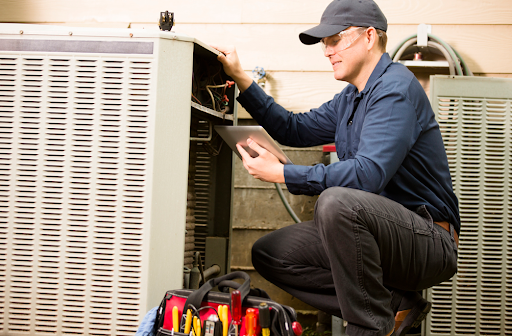
Heat pumps provide an energy-efficient solution for year-round heating and cooling. During the coldest parts of winter, however, you might notice your system switching to something called “auxiliary heat” or “aux heat.” Understanding what aux heat is, how it works, and its impact on your home can help you maintain comfort and manage energy use effectively.
What is Auxiliary Heat?
Auxiliary heat is a supplementary heating system built into your heat pump. While the heat pump extracts heat from the outdoor air to warm your home, extremely cold temperatures can make it difficult to maintain the desired indoor temperature. When this happens, auxiliary heat activates to provide additional warmth.
Aux heat is typically automatic and may consist of electric resistance heating elements or, in dual-fuel systems, a gas furnace that kicks in during extreme cold. This ensures your home stays comfortable even when the primary heat pump is struggling.
Triggers for Auxiliary Heat Activation
Several situations can cause your heat pump to switch to aux heat:
-
Extreme Cold: When outdoor temperatures drop too low, the heat pump cannot extract enough heat, and aux heat compensates.
-
Rapid Temperature Increases: Raising the thermostat significantly can prompt the system to use auxiliary heat to quickly reach the new setting.
-
Defrost Cycles: Heat pumps occasionally enter defrost mode to prevent ice buildup. Auxiliary heat keeps your home warm during these cycles.
Recognizing when and why aux heat engages is crucial for avoiding unnecessary energy consumption and maintaining heating efficiency.
Distinguishing Auxiliary Heat from Emergency Heat
Auxiliary heat works alongside your heat pump, providing extra warmth as needed. In contrast, emergency heat is a manual setting used only when the heat pump malfunctions or cannot operate effectively. Prolonged use of emergency heat can result in higher energy bills due to its less efficient heating method.
Financial Considerations and Efficiency Tips
While auxiliary heat is essential for comfort, it can increase energy use. To manage costs and maximize efficiency:
-
Schedule regular maintenance for your heat pump to keep it running at peak performance.
-
Improve home insulation to reduce heat loss.
-
Use programmable thermostats to optimize heating schedules and reduce reliance on aux heat.
These strategies help maintain comfort without unnecessarily increasing energy expenses.
Contact National Heating & Air Conditioning, Inc. for Assistance
If you have questions about your heat pump’s auxiliary heat or want to ensure your system is ready for winter, National Heating & Air Conditioning, Inc. is here to help. Our expert technicians in Talent, OR provide personalized advice and services to optimize heating performance and efficiency.
Call us today at 541-535-4687 or fill out our online form to schedule a consultation and ensure your home stays warm and cozy all winter long.