For homeowners in Talent, OR, there is a growing curiosity about the impact of UV lights within HVAC systems, particularly surrounding claims related to germ and mold elimination and improved indoor air quality. With local weather shifts from damp winters to hot, dry summers, it is understandable that indoor comfort and air cleanliness remain top priorities. But do UV lights truly deliver results, or is their reputation more hype than science? Here is what you need to know.
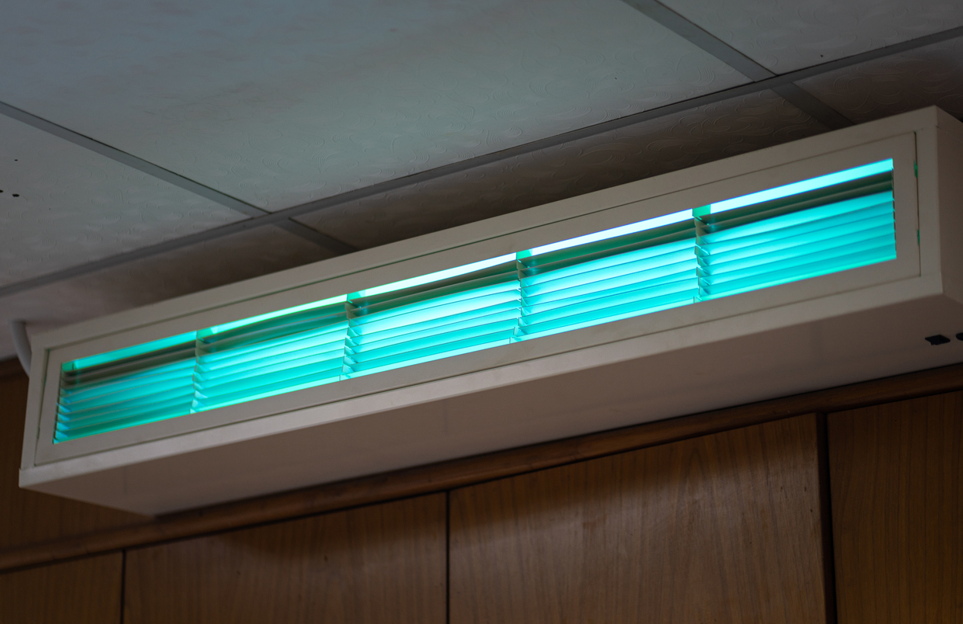
Understanding UV Lights in HVAC Systems
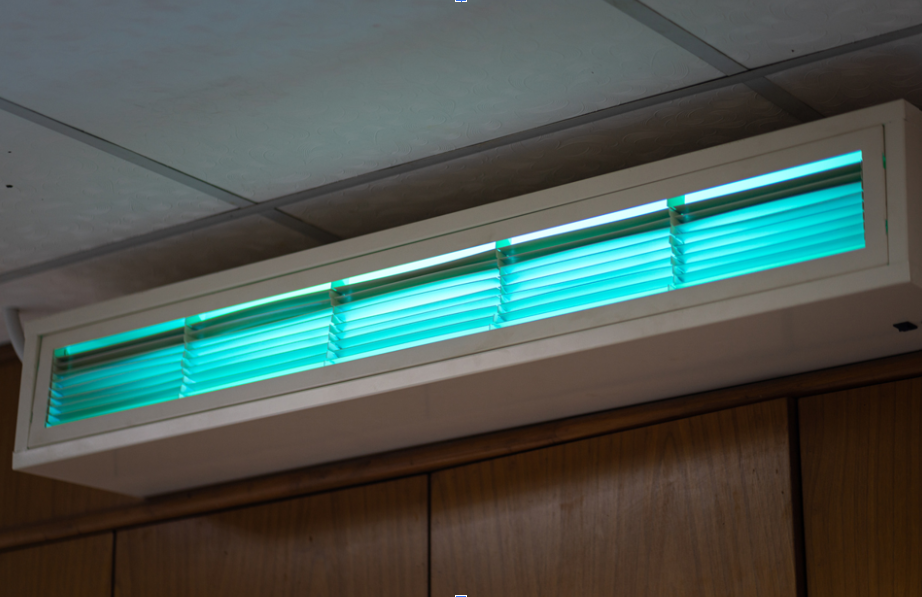
Ultraviolet (UV) lights, specifically UV-C, have been utilized for many years in healthcare settings and water treatment due to their ability to deactivate bacteria, viruses, and mold spores. Within the light spectrum, the UV-C band (wavelengths between 200 to 280 nanometers) is particularly effective at penetrating and destroying the DNA of microorganisms. When UV lights are integrated into HVAC systems, they target contaminants on coils or within ductwork, aiming for a cleaner system and fresher air.
Types of HVAC UV Light Installations
Two types of UV light applications are commonly found in residential HVAC systems:
- Coil Sanitizing Lights: Installed near the evaporator coil, which is vulnerable to moisture and microbial buildup due to frequent cooling cycles, especially during Talent’s humid mornings followed by warm afternoons. These UV lights inhibit mold and bacteria growth directly on the coil surface, maintaining system efficiency and air purity.
- In-Duct Air Sanitizing Lights: Positioned within the ductwork, these units purify air as it returns from throughout the home before recirculating. Effectiveness is influenced by system airflow and placement, and these are best installed by a local HVAC technician with knowledge of your home’s specific system design.
Do UV Lights Really Improve Indoor Air Quality?
Research demonstrates that UV-C technology is capable of reducing microbial growth in HVAC systems. Studies referenced by the National Institute of Health and the American Society of Heating, Refrigerating, and Air-Conditioning Engineers (ASHRAE) confirm that germicidal UV-C can lower the concentration of mold, bacteria, and some viruses on HVAC surfaces and in circulated air.
Still, UV lights are not a standalone solution. Experts recommend pairing them with:
- High-quality air filtration (such as HEPA or whole-house air filters)
- Routine HVAC maintenance
- Proper humidity control (between 30-50% is ideal)
Together, these actions provide a comprehensive strategy for improving indoor air quality, especially in regions where seasonal pollen, dust, and wildfire smoke can compromise home environments. UV lights can also support cleaner coils and ductwork, contributing to longer-lasting HVAC equipment and potentially reducing the need for major cleaning or repairs.
Safety, Efficiency, and Cost Considerations
When professionally installed, HVAC UV lights are safe, as the UV-C rays are contained within the system and do not enter living areas. It is essential that only skilled HVAC technicians handle installation and maintenance due to the hazards of UV-C exposure to skin and eyes.
Energy consumption is minimal, with most bulbs drawing less power than a household light fixture, but periodic replacement (every 1-3 years depending on the bulb and usage) is necessary for optimal performance. UV lights may improve system efficiency by keeping components cleaner, which can ease the workload on your air handler and could even reduce energy costs over time.
Are UV Lights a Worthwhile Investment for Talent, OR Homeowners?
Given Talent’s climate cool, moist winters and hot, often dry summers, mold and bacterial growth on cooling coils can present a real issue, especially in older homes or houses with dated ductwork. Residents who have had heating installation or AC installation from National Heating & Air Conditioning, Inc. frequently report reduced mustiness and a noticeable drop in allergy symptoms after UV light integration, particularly when these items are added as part of a system upgrade or comprehensive indoor air quality plan.
UV lights are not a “magic bullet” but, when professionally installed and maintained, they are science-backed enhancements proven to complement traditional air filtration and moisture control methods.
Schedule a Free Indoor Air Consultation in Talent, OR
If you are considering UV lights for your HVAC system to address allergies, mold, or persistent odors, the local professionals at National Heating & Air Conditioning, Inc. can help you determine if UV technology fits your specific needs. Our team specializes in heating installation, AC installation, and advanced indoor air quality solutions tailored for homes in Talent, OR. Contact us today to schedule a free consultation and take the next step toward cleaner, healthier indoor air. Give us a call at (541) 535-4687 or fill out our online form to get started.