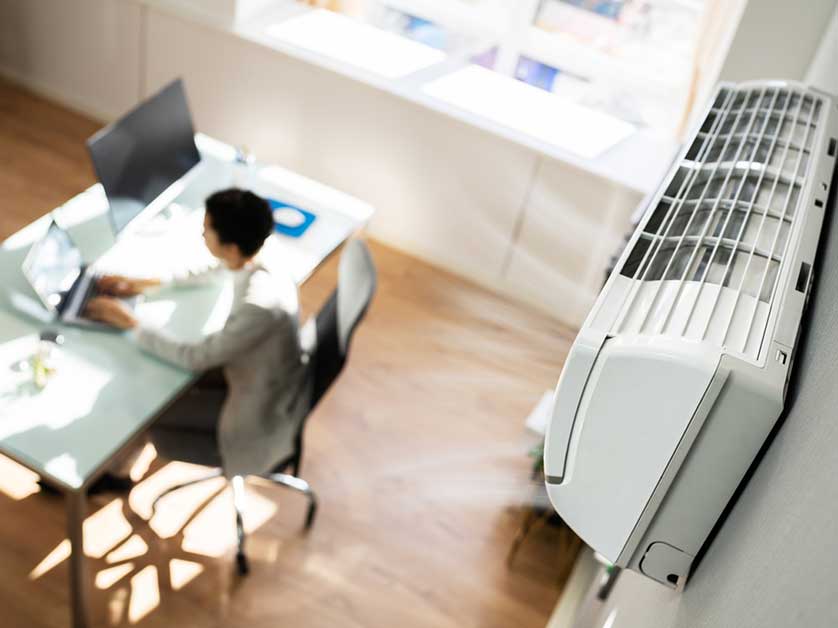
Indoor workplaces may seem like safe havens from outdoor environmental challenges, but the reality is that indoor air can often be several times more polluted than the air outside. This often-overlooked issue has direct consequences for employee health, operational efficiency, and ultimately, a business’s bottom line.
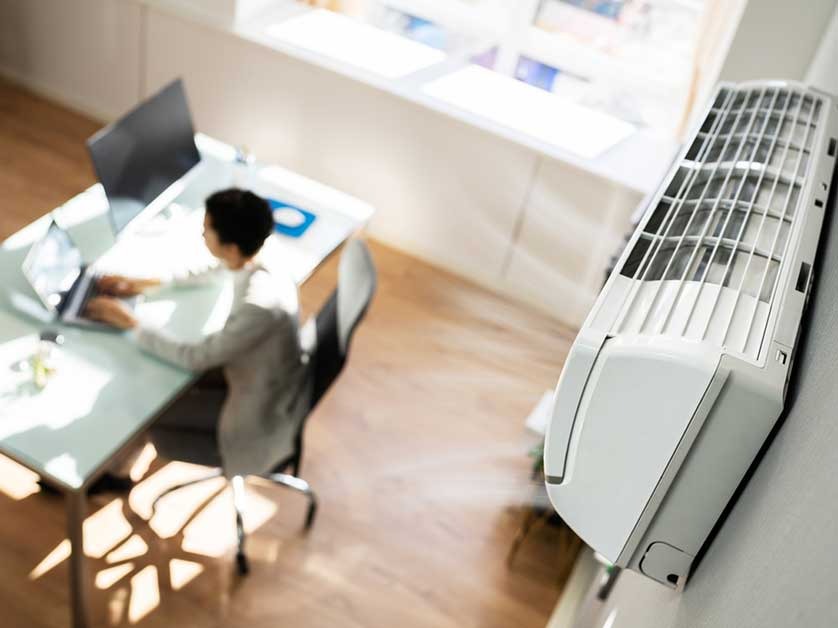
Understanding the Link Between Indoor Air Quality and Productivity
Research shows a strong correlation between indoor air quality and workplace productivity. Pollutants such as particulate matter (PM2.5), volatile organic compounds (VOCs) from furniture and building materials, and high levels of carbon dioxide can accumulate without proper ventilation and filtration. In climates where wildfire smoke and seasonal temperature swings influence how often offices are sealed from the outdoors, poor indoor air quality can become a year-round problem.
Studies conducted by the Harvard School of Public Health found that employees working in offices with well-maintained ventilation and low pollutant levels performed cognitive tasks twice as well as those in standard office environments. Poor air quality, on the other hand, has been linked to slower response times, difficulty concentrating, and reduced task accuracy.
Health Effects and Absenteeism: The Business Costs
The direct health implications of poor workplace air quality are extensive and can include asthma flare-ups, headaches, lethargy, and increased susceptibility to respiratory infections. Seasonal pollen and wildfire smoke can further degrade indoor air quality, increasing the likelihood of missed workdays when filtration systems are inadequate.
High absenteeism not only strains team dynamics but also increases operational costs, from project delays to higher insurance expenses. National studies indicate that work absences related to air pollution account for millions of lost workdays each year, resulting in substantial financial losses for businesses.
How HVAC Systems Influence Indoor Air Quality
HVAC systems, including heating installation and AC installation, play a major role in determining the quality of the air employees breathe. If an office HVAC system is outdated or poorly maintained, allergens, dust, mold spores, and even viruses can circulate throughout the building. Regular maintenance, especially air filter replacement and thorough system cleaning, is critical to ensuring your HVAC equipment supports, rather than hinders, your indoor air quality goals.
When both summer heat and winter cold place HVAC systems under increased demand, relying on expert technicians for routine service and upgrades becomes essential. Selecting appropriate filtration, such as HEPA or high-MERV-rated filters, can dramatically reduce airborne particulates. However, not every HVAC system can accommodate every type of filter. Consulting with a qualified HVAC professional can help balance airflow efficiency with filtration performance.
Practical Tips to Improve Indoor Air Quality in Your Workplace
Improving indoor air quality does not mean sacrificing comfort or dramatically increasing energy costs. Employers can implement several practical and cost-effective strategies:
-
Schedule regular HVAC system inspections and maintain a consistent filter replacement schedule.
-
Invest in high-efficiency filtration that matches your system’s specifications.
-
Use low-VOC paints, flooring, and office furniture to reduce chemical contaminants.
-
Install indoor air quality sensors to monitor carbon dioxide, particulate matter, and humidity levels.
-
Use air purifiers with activated carbon filters in high-traffic or vulnerable areas.
-
Encourage natural ventilation when outdoor conditions permit, while avoiding periods of wildfire smoke or high pollen counts.
Employers should also educate staff about the importance of maintaining a clean workspace and empower facility managers to respond promptly to indoor air quality concerns.
Enhancing Energy Efficiency While Prioritizing Health
Balancing energy use with air quality improvements is an important concern as utility costs continue to rise. Smart building management systems can monitor occupancy and environmental conditions to optimize ventilation only in occupied areas, reducing waste while maintaining comfort and safety. Upgraded HVAC equipment and thoughtful heating installation can further improve both indoor air quality and energy performance.
Take the Next Step Toward a Healthier Workplace in Talent, OR
If you want to improve workplace productivity, employee wellness, and indoor comfort, investing in modern heating Installation, efficient AC Installation, and comprehensive indoor air quality solutions is a logical next step. National Heating & Air Conditioning, Inc. has decades of experience helping businesses maintain clean, comfortable, and healthy work environments regardless of the season. Reach out to us today at (541) 535-4687 or fill out our contact form to schedule an air quality assessment or discuss customized HVAC solutions for your facility in Talent, OR.