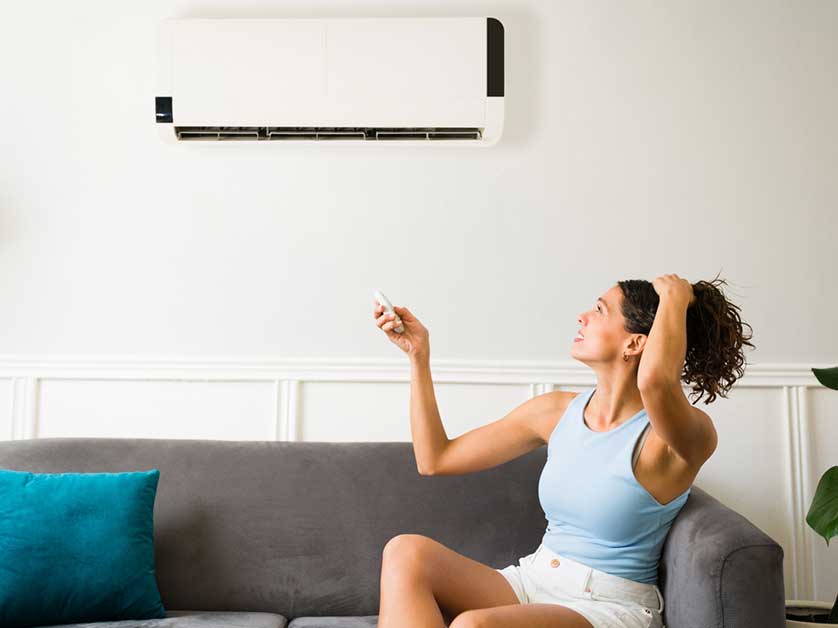
When summer temperatures climb, your air conditioning system plays a vital role in keeping your home comfortable and safe. However, AC units often experience problems right when you need them most. Understanding the most common issues and how to troubleshoot them gives you the opportunity to address minor concerns before they turn into larger, more expensive repairs. Below are five frequent air conditioning issues seen by National Heating & Air Conditioning, Inc., along with tips on how to address them and when to seek professional help.
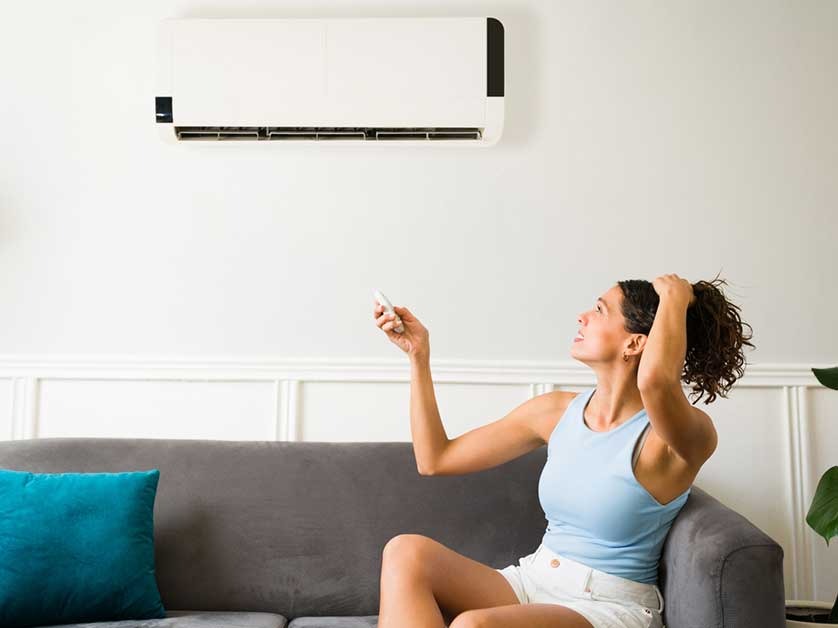
1. AC Will Not Turn On
One of the most stressful experiences during a heatwave is pressing your thermostat only to find that your AC system does not respond. In many cases, the problem is caused by a simple electrical issue:
-
A tripped circuit breaker
-
A blown fuse in your breaker panel
-
A faulty or uncalibrated thermostat
-
Loose or disconnected wiring
Before calling for AC repair, make sure your thermostat batteries are fresh and that the circuit breaker is in the “on” position. If the issue persists, avoid attempting DIY electrical repairs. Complex electrical or wiring problems require professional diagnosis, so contact a licensed technician to resolve the issue safely.
2. Weak or No Cool Air
If your air conditioner is running but you still feel warm air or reduced airflow from your vents, several issues could be to blame:
-
A clogged or dirty air filter, especially during wildfire smoke season
-
Blocked or leaky ductwork
-
Low refrigerant levels caused by small leaks
Many homeowners overlook regular filter changes, but this simple maintenance task can significantly improve indoor comfort. If replacing the air filter does not help, or if you notice uneven temperatures throughout your home, consult an HVAC professional to inspect your ductwork and refrigerant levels.
3. AC Cycles Frequently or Turns Off Suddenly
Rapid cycling, when your air conditioner turns on and off more often than normal, usually indicates an underlying problem. Common causes include:
-
A thermostat located in direct sunlight or a drafty area
-
Dirty condenser coils
-
An AC unit that is not properly sized for your home
Frequent short cycling increases energy consumption and can shorten your system’s lifespan. Make sure your thermostat is positioned away from heat sources and keep the outdoor unit free of debris and vegetation. If the problem continues, a certified technician from National Heating & Air Conditioning, Inc. can inspect the system and recommend the appropriate solution.
4. Water or Refrigerant Leaks
If you notice puddles or water stains near your indoor unit, your AC system may have a drainage or refrigerant issue. Common causes include:
-
Clogged condensate drain lines causing water backup
-
Cracked or damaged refrigerant lines leading to leaks
If you discover water around your unit, check whether the condensate drain line is blocked. Refrigerant leaks should always be handled by a licensed HVAC professional due to safety and environmental concerns. Low refrigerant levels reduce cooling efficiency and place unnecessary strain on your entire HVAC system.
5. Unusual Smells or Loud Noises
Burning, musty, or chemical odors, along with rattling, humming, or grinding noises, can indicate more serious AC problems. These issues may be caused by:
-
Mold growth in ductwork or drain pans
-
Worn fan belts or failing bearings
-
Electrical issues within the blower motor
If you notice unusual smells or sounds, turn off the system and schedule a professional inspection. Routine AC repair and annual maintenance from a trusted HVAC company help keep your air conditioning system running efficiently, quietly, and safely.
Schedule Trusted AC Repair in Talent, OR
If you are experiencing any of these common air conditioning issues, or would like to prevent them before peak summer temperatures arrive, schedule a service visit with National Heating & Air Conditioning, Inc. Our experienced team provides fast diagnostics and dependable solutions for all your heating and air conditioning needs in Talent, OR. Give us a call at (541) 535-4687 or fill out our contact form to get started.