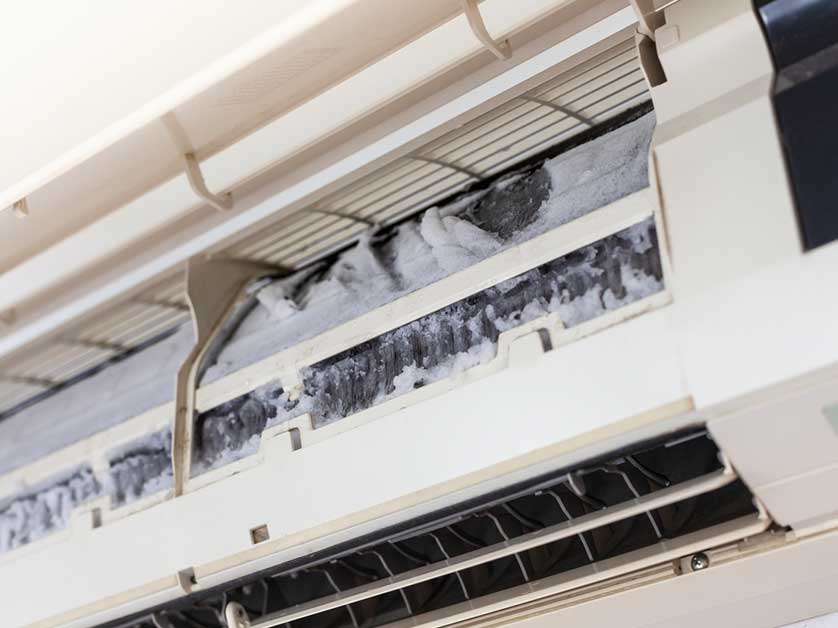
It is never a good sign when your air conditioner turns on and off frequently throughout the day. This frustrating problem, known as short cycling, is more than just a nuisance; it is a clear warning that your system needs prompt attention. Short cycling not only means less comfort on hot, dry days but also higher energy bills, increased wear on AC components, and the potential for costly breakdowns. Understanding why your air conditioning acts this way and what to do about it can save you money and protect your investment in year-round indoor comfort.
What Is Short Cycling and Why Does It Matter?
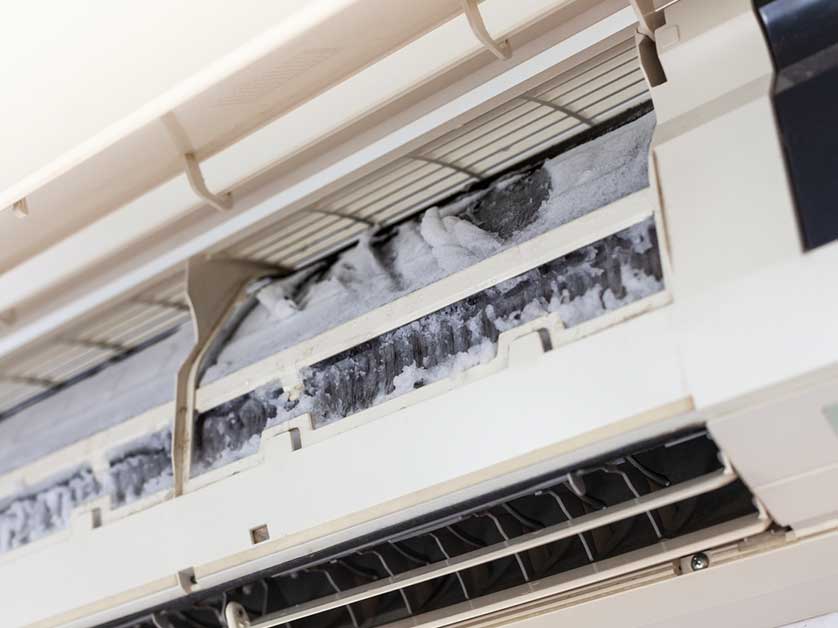
Short cycling happens when your air conditioner starts up, runs only briefly, then shuts down without finishing a full cooling cycle. For example, instead of running for a typical 15 or 20 minutes, your AC might only stay on for a few minutes before turning off, repeating the process over and over. This means your system cannot effectively cool your space or remove humidity. Where temperature swings can be significant, short cycling puts a heavier strain on both heating and cooling equipment, risking expensive repairs or early replacement.
The Most Common Causes of AC Short Cycling
A variety of factors can trigger your air conditioner to short cycle. Identifying these causes is the first step toward a lasting solution. Here are some of the most common reasons homeowners experience this issue:
-
Clogged air filters: When airflow is restricted by dirt or dust, the air conditioner overheats and shuts down as a safety precaution.
-
Low refrigerant: Without enough refrigerant, your system cannot absorb heat effectively, causing pressure problems and frequent shutdowns.
-
Faulty thermostat: Incorrect readings or damaged wiring may send false signals, turning the AC on or off at the wrong times.
-
Oversized AC system: If your system is too large for your home, it will cool the air too quickly and shut off before properly removing humidity, resulting in ongoing short cycles.
-
Electrical issues: Damaged relays or capacitors can interrupt the power supply, causing intermittent operation.
The Risks: Why You Shouldn’t Ignore Short Cycling
Ignoring the signs of short cycling can lead to several negative outcomes for your home or business:
-
Higher energy bills due to frequent starts and stops.
-
Less effective temperature and humidity control, leading to uncomfortable indoor conditions.
-
Increased strain and quicker deterioration of costly components such as compressors and fan motors.
-
A shorter lifespan for both your air conditioning and heating systems.
In fact, National Heating & Air Conditioning, Inc. has responded to numerous service calls where homeowners overlooked short cycling, only to face unexpected breakdowns during peak heat waves or chilly spring nights.
What Can You Do About Short Cycling?
While some fixes are straightforward, others will require professional service. Start by replacing air filters and checking whether the thermostat is located away from windows or heat sources. If these steps do not resolve the issue, it may be time to schedule an expert AC repair.
Catching short cycling problems early can save you the stress and expense of major repairs, or needing to replace your entire air conditioner ahead of schedule.
Schedule Local Service for Lasting Comfort in Talent, OR
If your air conditioner is turning on and off too often, do not ignore this warning sign. Contact National Heating & Air Conditioning, Inc. in Talent, OR for fast and reliable AC repair solutions. Restore your comfort and extend the lifespan of your heating and air conditioning system with help from a trusted local team. Give us a call at (541) 535-4687 or fill out our contact form to get started.